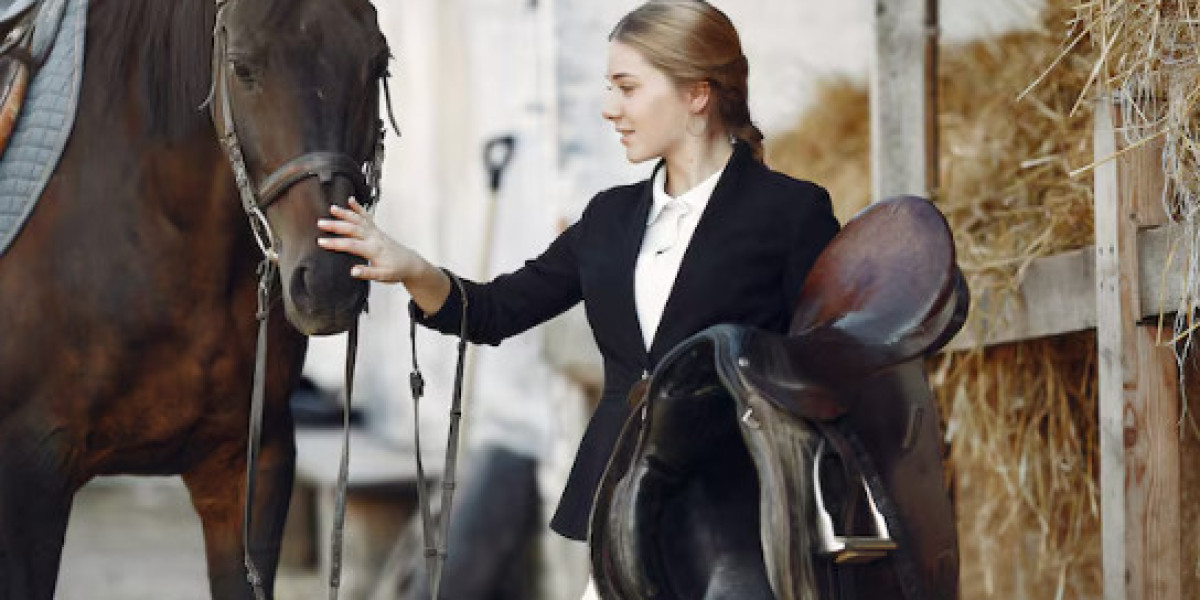

Not all saddles are built for the same job. Each riding discipline places different demands on both horse and rider, and saddle design plays a big role in meeting those needs. Dressage, in particular, focuses on balance, precision, and subtle communication. Because of this, dressage saddles are shaped very differently from general purpose or jumping saddles.
Understanding these differences helps riders make informed choices. It also explains why using the right saddle is not just about comfort, but about supporting correct movement and long term soundness.
The Purpose Behind a Dressage Saddle
Dressage riding is about developing harmony between horse and rider. The goal is controlled, balanced movement with clear, quiet aids. Saddle design directly supports this goal.
Dressage saddles are built to help the rider sit deep and centered, allowing fine adjustments without disrupting the horse. Riders exploring dressage saddles for sale are often looking for this level of support rather than versatility.
By encouraging balance, alignment, and precision, the saddle becomes a tool for communication. Instead of forcing position, it guides the rider into a posture that works with the horse rather than against it.
Flap Shape and Length
One of the most noticeable differences in a dressage saddle is the flap. Dressage saddles have longer, straighter flaps compared to other saddle types.
This shape supports a longer leg position, which is essential for effective dressage aids. The rider’s leg rests softly along the horse’s side, allowing subtle cues rather than exaggerated movements.
Flap angle also matters. A straighter flap keeps the leg aligned under the rider’s hip, helping maintain balance and consistent contact during collected work.
Knee Blocks and Thigh Support
Knee and thigh blocks in dressage saddles are designed to support correct alignment rather than lock the rider in place. Their placement encourages the leg to stay long and relaxed.
This differs from forward cut saddles, where blocks are positioned to support a bent knee and forward seat. In dressage, the focus is on stability without restriction.
Good block design balances security with freedom of movement. The rider feels supported but still able to move naturally with the horse.
Panel Design and Contact With the Horse
Panel design plays a major role in how a saddle feels for both horse and rider. Dressage panels are shaped to distribute pressure evenly across the back.
Close contact is especially important in dressage. Riders rely on feel and feedback to make small adjustments, and bulky panels can dull that connection.
Compared to other saddle types, dressage panels tend to promote consistent contact while maintaining comfort during longer periods of collected work.
Saddle Balance and Weight Distribution
Balance is central to dressage riding. A well balanced saddle allows the rider to sit evenly without tipping forward or backward.
Correct balance helps the horse move freely and stay relaxed through the back. When weight is evenly distributed, muscles can work without strain.
Non dressage saddles often place the rider in a position that works against this balance. Over time, this can affect both posture and performance.
How Dressage Saddles Support Collected Movement
Collected work asks the horse to carry more weight behind and lift through the front. Saddle design must support this effort rather than interfere with it.
Dressage saddles help support lift through the back by allowing muscles to work freely. They also provide space around the shoulders and withers, which is essential for expressive movement.
Instead of restricting engagement, the right saddle encourages correct use of the body and smoother transitions between movements.
Seat Design and Rider Position
The deeper seat of a dressage saddle provides stability without forcing stiffness. It helps the rider stay centered and balanced, even during advanced movements.
Seat shape supports an upright posture, allowing the rider’s shoulders, hips, and heels to align naturally. Riders searching for saddle fitting near me often discover that seat design plays a big role in comfort and effectiveness.
Compared to flatter seats in jumping and GP saddles, the dressage seat promotes stillness and control rather than forward motion.
Differences Between Dressage and GP Saddles
GP saddles are designed for versatility. They allow riders to school on the flat, hack, and do light jumping.
Dressage saddles are more specialized. They focus on rider position, deeper seat balance, and straight leg alignment.
While GP saddles offer flexibility, dressage saddles offer precision. The choice depends on riding goals and training focus.
Differences Between Dressage and Jumping Saddles
Jumping saddles support a forward seat and shorter stirrup length. Their flaps are angled forward, and stirrup bars are positioned to encourage movement out of the saddle.
Dressage saddles support a vertical seat with longer legs. This difference changes how the rider interacts with the horse.
Using the wrong saddle for discipline can make correct riding feel harder than it needs to be.
Conclusion
Dressage saddles are designed with a clear purpose. Every detail, from flap shape to seat depth, supports balance, communication, and collected movement.
These saddles differ from other types because they are built for precision rather than versatility. Small design choices make a big difference in how horse and rider work together.