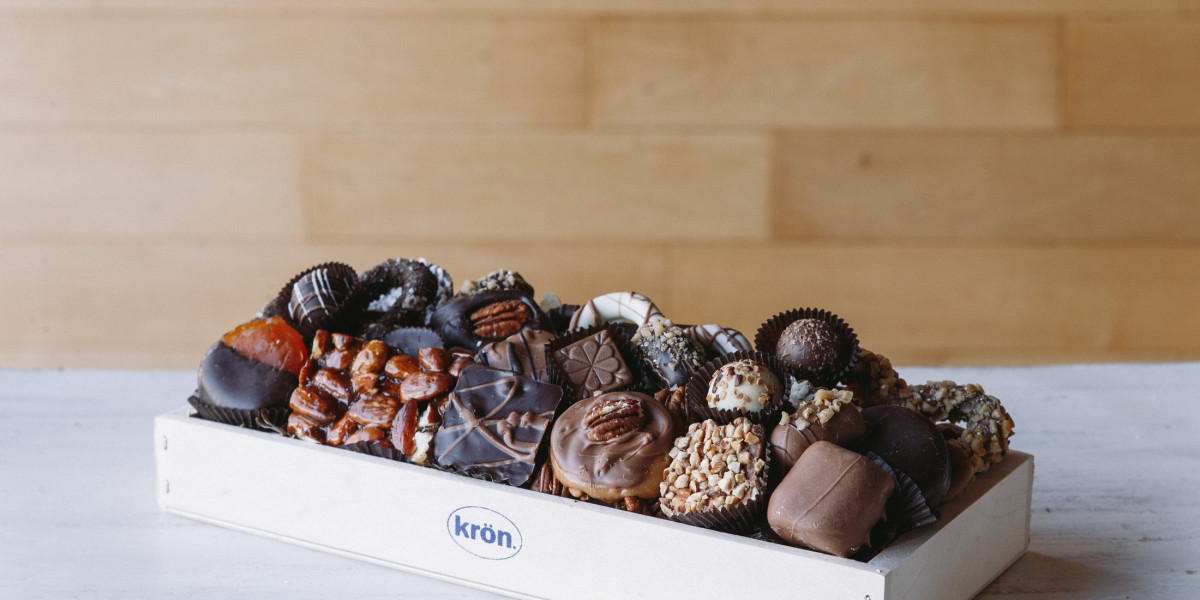

There is a beautiful kind of balance that happens when you take something fresh from an orchard or a berry patch and wrap it in a layer of smooth, melted chocolate. It is a combination that has been around for ages, and for good reason. It hits every single note our taste buds crave. You get the deep, comforting richness of the cacao, the refreshing sweetness of the fruit, and a contrast in textures that keeps every single bite interesting. It feels like a little bit of an indulgence, but because it is rooted in real, natural ingredients, it never feels overly heavy.
We have all experienced that moment at a party or a holiday gathering where a platter of dipped treats is brought out. It doesn't matter how full everyone is from dinner; people naturally gravitate toward them. There is an approachability to this pairing that makes it universal. It bridges the gap between a childhood love for sweets and a more mature appreciation for complex, balanced flavors.
The Science Behind a Perfect Flavor Match
To really understand why this pairing works so well, you have to look at the natural chemistry between the ingredients. Fruits are naturally full of bright acids and organic sugars. When you eat them completely plain, they can sometimes be intensely sharp or overly sweet. Chocolate, particularly dark varieties, carries an inherent bitterness and a rich depth from the cocoa solids and fats.
When you bring them together, the fat in the cocoa butter coats the palate, rounding out the sharp edges of the fruit's acidity. Meanwhile, the fruit's natural brightness cuts right through the heavy richness of the chocolate, preventing it from feeling cloying. It is a literal seesaw of flavor where neither side overpowers the other. Artisan chocolatiers spend a lot of time experimenting with these ratios, pairing ultra tart raspberries with dark cocoa, or matching milder, creamier fruits like bananas with a smooth milk chocolate base.
Fresh from the Vine vs Carefully Dried
One of the first decisions you have to make when exploring this world is whether you prefer fresh or dried fruit. Fresh options offer that immediate, unmistakable burst of juice. There is nothing quite like the snap of a crisp chocolate shell giving way to a plump, ripe strawberry or a slice of fresh kiwi. However, fresh options come with a very short timeline. The water inside the fruit will eventually start to weep, meaning these treats are best enjoyed within twenty four hours of being made.
Dried fruits offer a completely different experience that is just as wonderful. When you dehydrate a slice of mango, a piece of apricot, or a handful of cherries, you remove the water but lock in all the flavor. The sugars become deeply concentrated, and the texture transforms into something wonderfully chewy. This chewiness pairs beautifully with the clean snap of a tempered chocolate coating. Because the moisture is gone, these treats can last for weeks, making them perfect for packing into a gift box or keeping in your desk drawer for a mid afternoon pick me up.
Elevating the Everyday Snack into an Art Form
The market for these sweets has truly exploded over the last few years, moving far beyond the simple chocolate dipped strawberry. Creative makers are constantly pushing the boundaries, infusing their creations with spices, herbs, and textures that turn a humble snack into a gourmet experience. You can now find dark chocolate orange peels dusted with sea salt, milk chocolate raisins rolled in crushed cinnamon, or white chocolate cranberries finished with a hint of freeze dried raspberry powder.
This creativity has opened up a whole new category for people who want a fun alternative to traditional boxed candy. Instead of a standard cream or caramel center, opting for an assortment of chocolate covered fruit candy brings a refreshing twist to the dessert table. It feels incredibly thoughtful because it celebrates the natural diversity of shapes and flavors found in nature. A well arranged box featuring the deep purples of blueberries, the bright oranges of candied citrus, and the rich ambers of ginger pieces looks like a watercolor painting before you even take your first bite.
Finding the Right Chocolate for the Job
The fruit might be the star of the show, but the chocolate is the stage it stands on. Using low quality coatings made with hydrogenated vegetable oils or excessive sugar can ruin the entire experience, leaving a waxy film in your mouth that masks the fruit flavor. True premium chocolate relies on pure cocoa butter and real vanilla.
Dark chocolate is often the default favorite for fruit pairings because its complex notes of roasted coffee and earth provide such a stunning contrast to natural sweetness. A seventy percent dark chocolate paired with a tart dried cherry is a masterpiece of balance. Milk chocolate offers a sweeter, more nostalgic experience that pairs perfectly with naturally mellow fruits like pears or apples. White chocolate, with its creamy, buttery profile, provides a brilliant canvas for incredibly tart fruits like passion fruit or blackberries, cutting through the intense sourness with ease.
Tips for Trying This at Home
If you want to try your hand at crafting these treats in your own kitchen, it is an incredibly rewarding process. You do not need expensive kitchen gadgets or a degree in pastry arts to create something beautiful. The absolute most important rule to remember is that water is your enemy. If even a single drop of water gets into your bowl of melted chocolate, it will cause it to seize up into a grainy, unworkable paste.
Always make sure your fruit is washed and completely towel dried before you begin. If you are using fresh berries, let them sit out on a paper towel at room temperature for a little while to ensure there is no hidden condensation on the skin. Melt your chocolate slowly over a pot of barely simmering water, dip your pieces halfway to create a beautiful visual contrast, and lay them out on parchment paper to set. If you want to get fancy, you can sprinkle a little bit of flaky sea salt or toasted coconut on top while the coating is still warm.
Conclusion: A Simple and Timeless Pleasure
In a world where food trends come and go with incredible speed, the simple union of fruit and chocolate remains a reassuring constant. It is a testament to the idea that you do not need a long list of artificial ingredients or complex techniques to make something taste absolutely extraordinary.
By focusing on high quality, real ingredients and respecting the natural balance of flavors, this combination continues to bring a little bit of joy to our everyday lives. Whether you are enjoying a single piece of artisanal candied citrus with your morning coffee or sharing a massive platter of fresh dipped berries with friends on a summer evening, it remains one of the most perfect, natural luxuries we can enjoy.
Frequently Asked Questions
How should I store my chocolate dipped fresh fruits?
Fresh fruits should be kept in a single layer in a cool, dry place. If the room is warm, you can store them in the refrigerator inside an airtight container lined with a paper towel to absorb any excess moisture. For the absolute best texture and flavor, try to eat them within a day or two.Can I use frozen berries for dipping?
It is best to avoid using frozen fruit for direct dipping. As the fruit begins to thaw, it releases a significant amount of liquid and condensation. This moisture will cause the chocolate coating to slide right off and can make your melted chocolate clump up during the dipping process. Stick to fresh or dried options instead.What is that white, cloudy layer that sometimes forms on the chocolate?
This is known as bloom, and it happens when the chocolate experiences a sudden temperature change, causing the sugar or fat to rise to the surface. It is completely harmless, entirely safe to eat, and does not mean the treat has gone bad, though the texture might be slightly grainier than usual.Are these treats suitable for people with dietary restrictions?
They can be incredibly versatile. High quality dark chocolate is naturally dairy free, making it a wonderful option for vegans when paired with plain fresh or dried fruit. Most options are also naturally gluten free, but it is always a good idea to check the labels if you are buying pre-made assortments for someone with sensitivities.What does it mean to temper chocolate, and do I need to do it?
Tempering is the process of melting and cooling chocolate to specific temperatures so that the cocoa butter crystals align correctly. This gives the finished product a glossy shine and a firm snap at room temperature. While it is great for a professional look, for a quick and casual batch at home, simply melting it slowly will work just fine.