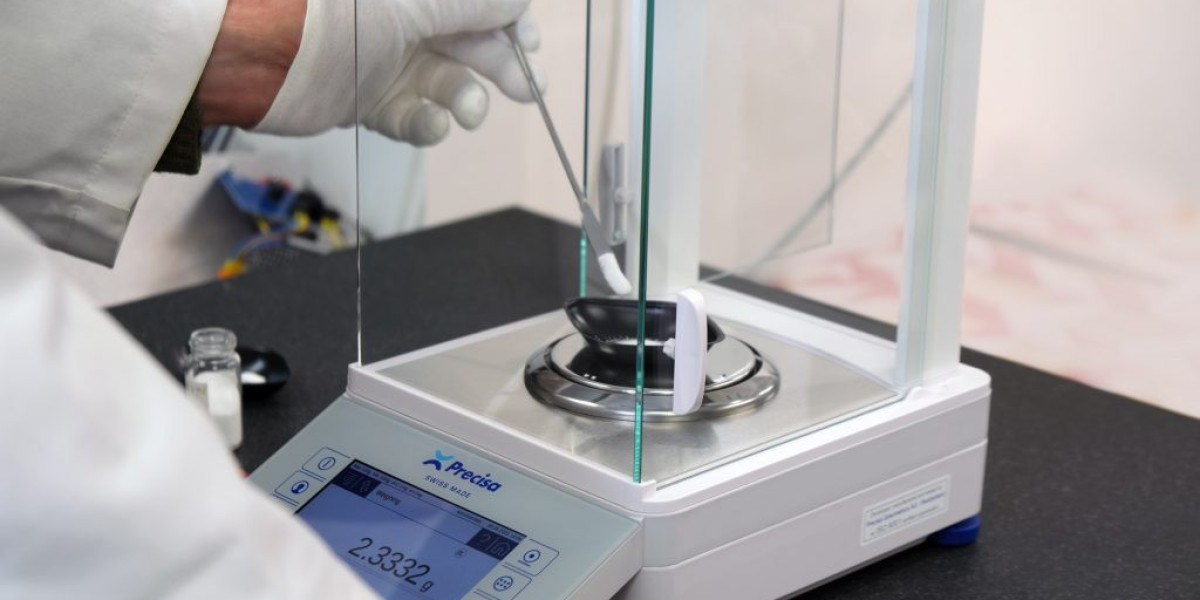

An analytical balance is a highly sensitive laboratory instrument used to measure mass with exceptional precision. It is one of the most important tools in scientific research, pharmaceutical production, chemical analysis, and quality control laboratories. Designed to detect even the smallest variations in weight, analytical balances provide accurate and reliable measurements that support critical laboratory operations.
Modern laboratories depend heavily on precision instruments, and analytical balances are among the most widely used devices for this purpose. Whether measuring chemical compounds, preparing pharmaceutical formulations, or conducting scientific experiments, these balances ensure that every measurement is accurate and consistent.
Over the years, analytical balances have evolved from mechanical weighing devices into advanced digital systems equipped with automatic calibration, smart connectivity, and sophisticated electronic sensors. Their growing importance reflects the increasing need for precision in modern industries and scientific research.
Understanding Analytical Balances
An analytical balance is a precision weighing instrument capable of measuring very small masses, often with readability up to 0.0001 grams. Unlike ordinary weighing scales, analytical balances are designed for environments where even tiny measurement errors are unacceptable.
The balance typically consists of a weighing pan enclosed within a glass chamber called a draft shield. This enclosure protects the measurement process from environmental influences such as air currents, dust, and temperature fluctuations.
Analytical balances use advanced electromagnetic technology to determine weight accurately. When an object is placed on the pan, the system measures the force required to counterbalance the object’s mass. This force is then converted into a digital reading displayed on the screen.
Importance of Analytical Balances in Laboratories
Precision is essential in scientific work, and analytical balances help laboratories maintain high standards of accuracy. Small measurement errors can lead to incorrect experimental results, product failures, or safety risks.
In pharmaceutical laboratories, for example, exact ingredient measurements are necessary to ensure medicine effectiveness and patient safety. In chemical research, precise weighing helps scientists conduct accurate experiments and maintain consistency.
Analytical balances also support compliance with international quality standards in industries such as food production, environmental testing, and biotechnology. Their reliability makes them a critical part of laboratory operations worldwide.
Main Components of an Analytical Balance
Modern analytical balances consist of several important components that work together to ensure accurate performance.
Weighing Pan
The weighing pan is the platform where samples are placed. It is usually made from stainless steel to resist corrosion and maintain cleanliness.
Draft Shield
The draft shield surrounds the weighing area and protects it from airflow and environmental disturbances that could affect measurements.
Display Panel
Digital displays show measurement results clearly and often include additional settings for calibration, unit selection, and data management.
Calibration System
Many analytical balances include internal automatic calibration systems that adjust the balance regularly to maintain accuracy.
Sensor Mechanism
The electromagnetic sensor is the core component responsible for measuring weight with high precision.
Features of Modern Analytical Balances
Technological advancements have significantly improved the capabilities of analytical balances. Modern systems include a variety of features that enhance performance and convenience.
High Precision Measurement
Analytical balances can detect extremely small differences in mass, making them suitable for delicate laboratory applications.
Automatic Calibration
Internal calibration systems automatically adjust the balance to maintain consistent accuracy over time.
Digital Connectivity
Many balances support USB, Bluetooth, or Wi-Fi connectivity for transferring data directly to computers or laboratory software systems.
Multiple Measurement Units
Users can switch between different measurement units such as grams, milligrams, ounces, and carats depending on their requirements.
Touchscreen Controls
Advanced models feature touchscreen interfaces that improve usability and simplify operation.
Data Storage Functions
Some analytical balances can store measurement records, helping laboratories maintain accurate documentation and traceability.
Applications of Analytical Balances
Analytical balances are widely used in many industries and research fields.
Pharmaceutical Industry
Pharmaceutical companies use analytical balances to measure ingredients during medicine production. Accurate measurements are essential for maintaining product quality and safety.
Chemical Research
Chemists rely on analytical balances for preparing chemical solutions, analyzing compounds, and conducting experiments.
Food and Beverage Industry
Food laboratories use analytical balances to analyze nutritional content, additives, and ingredient formulations.
Educational Institutions
Universities and colleges use analytical balances for laboratory experiments and scientific education.
Environmental Testing
Environmental scientists use analytical balances to study soil, water, and air samples for pollution analysis and research.
Jewelry Industry
High-precision balances are also used in jewelry businesses for measuring gemstones and precious metals accurately.
Proper Handling and Maintenance
Analytical balances are highly sensitive instruments and require careful handling to maintain accuracy.
Stable Installation
The balance should be placed on a vibration-free surface away from heavy equipment or moving objects.
Controlled Environment
Temperature changes, humidity, and airflow can affect measurements. Laboratories often maintain controlled environmental conditions for accurate operation.
Routine Calibration
Regular calibration ensures that the balance continues to provide precise measurements.
Cleaning Procedures
Dust and chemical residue can interfere with performance. Cleaning should be performed carefully using appropriate materials.
Correct Sample Handling
Samples should be handled using gloves or tweezers to avoid contamination and inaccurate readings.
Advantages of Analytical Balances
Analytical balances offer many benefits that make them indispensable in laboratories.
Exceptional Accuracy
These balances provide highly accurate measurements essential for scientific and industrial applications.
Reliable Performance
Consistent and repeatable measurements improve the reliability of laboratory results.
Increased Efficiency
Digital systems and automatic calibration save time during laboratory procedures.
Better Data Management
Connectivity features support electronic record keeping and laboratory automation.
Improved Quality Control
Precise weighing helps maintain product consistency and regulatory compliance.
Challenges Associated with Analytical Balances
Despite their advantages, analytical balances also have limitations.
Sensitivity to Environmental Conditions
Air currents, vibrations, and temperature fluctuations can affect measurement accuracy.
Higher Cost
Advanced technology and precision components make analytical balances more expensive than ordinary scales.
Maintenance Requirements
Regular servicing and careful operation are necessary to preserve performance.
Training Needs
Users must understand proper weighing techniques and calibration procedures to avoid errors.
Technological Developments in Analytical Balances
The analytical balance industry continues evolving through technological innovation. Manufacturers are integrating smart features that improve laboratory productivity and accuracy.
Modern balances now include:
Smart diagnostics
Cloud-based data storage
Automatic error detection
User management systems
Remote monitoring capabilities
Energy-efficient operation
Artificial intelligence and automation may further improve weighing technology in the future. Smart laboratory systems could allow balances to communicate directly with other instruments and software platforms for fully automated workflows.
Selecting the Right Analytical Balance
Choosing the correct analytical balance depends on laboratory requirements and application needs.
Important factors to consider include:
Required precision level
Maximum weighing capacity
Calibration features
Environmental conditions
Data connectivity options
Compliance with industry standards
Laboratories should select balances that provide reliable performance while meeting operational and regulatory requirements.
Conclusion
Analytical balances are essential instruments in modern laboratories and industrial facilities. Their ability to provide highly accurate measurements supports scientific research, pharmaceutical production, chemical analysis, and quality control processes.


