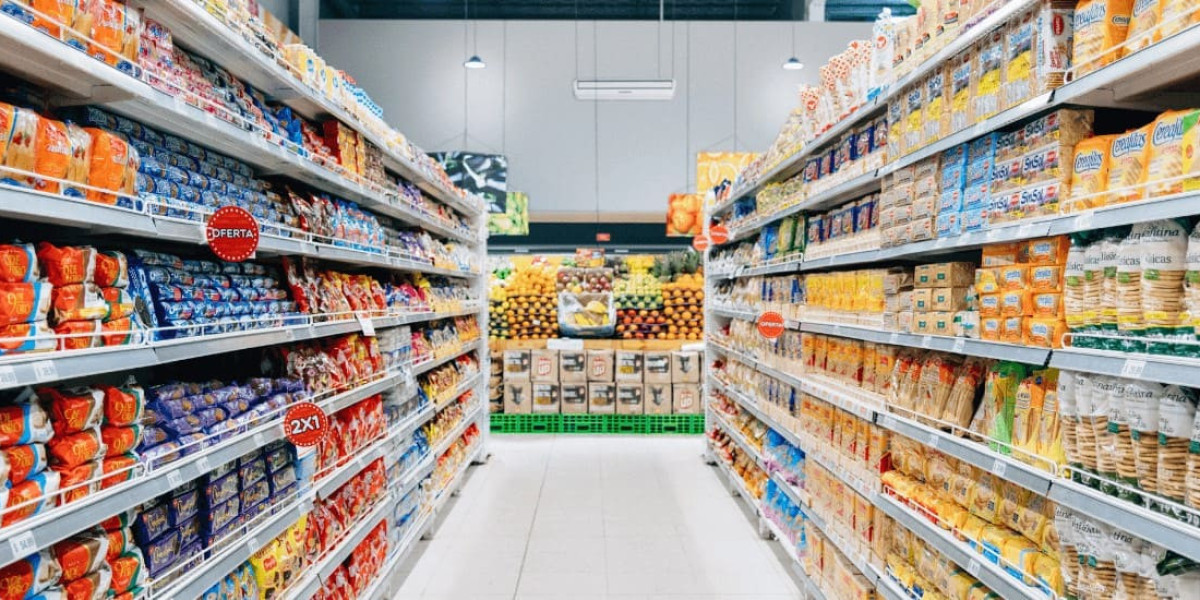

Walking into a local grocery store—whether it’s a bustling neighborhood market or a traditional kirana shop—should feel organized, not overwhelming. Yet, many store owners struggle with a common problem: cluttered aisles, hard-to-reach stock, and wasted floor space. When customers can’t find what they need quickly, or when employees trip over cartons in the back room, you lose efficiency and revenue.
The solution isn’t buying a bigger store. It’s using practical storage solutions that maximize every square foot you already have. From adjustable shelving to heavy-duty racks, smart storage transforms cramped retail spaces into smooth-running operations. In this guide, we’ll explore actionable strategies for local grocery stores to boost organization, improve safety, and increase daily sales—without a full renovation.
Why Local Grocery Stores Struggle with Storage
Most neighborhood grocery stores weren’t designed for modern inventory needs. A small shop built thirty years ago might serve the same number of customers, but today’s product variety—think multiple brands of cooking oil, ten types of rice, frozen foods, and large family-sized packs—requires far more storage capacity.
Common pain points include:
Narrow aisles blocked by floor stacks.
Backroom chaos where older stock gets lost behind newer deliveries.
Damaged goods from improper stacking or weak shelves.
Time wasted searching for slow-moving products.
Without a systematic storage plan, you lose inventory visibility. Products expire on shelves while duplicates get reordered. Worse, cluttered environments discourage walk-in customers who prefer clean, spacious stores.
Smart Shelving & Racking Strategies That Work
Before buying any equipment, audit your current space. Map out every wall, corner, and vertical inch. Then apply these proven strategies.
Use Vertical Space Aggressively
The most underutilized area in most small grocery stores is the upper half of the room—from five feet up to the ceiling. Installing taller racks instantly doubles or triples storage capacity. For example, shifting canned goods, beverages, and packaged snacks onto multi-tiered shelving frees up floor space for fresh produce or promotional displays.
When selecting heavy-duty structures, reliability matters. Partnering with a trusted Kirana Store Rack Manufacturer ensures the racks can handle bulk rice sacks, oil tins, and glass bottles without warping or tipping. Unlike generic shelving, purpose-built racks come with adjustable beam levels, proper load distribution, and corrosion-resistant finishes ideal for grocery environments.
Zone Your Store for Logical Flow
Organize products into zones based on purchase frequency and weight.
High-traffic zone (front of store): Light impulse buys (snacks, candies, small beverages). Use open, low-profile shelves.
Destination zone (middle aisles): Staples like rice, flour, sugar, and spices. Use medium-height racks.
Heavy-load zone (back or sides): Large oil tins, 10kg pulses, pet food, cleaning supplies. Use floor-level pallet racks or heavy-duty steel racks.
Between zones, leave at least 36 inches of clear walking space for two people to pass comfortably. This also complies with most local fire safety norms.
Mobile Racks & Rolling Carts for Tight Backrooms
If your stockroom is extremely narrow, consider mobile shelving units on casters. During delivery hours, you can roll dense racks against one wall. During restocking, simply roll them out. This approach works brilliantly for stores under 500 square feet.
For systematic efficiency, some retailers implement a Raman Racking System to manage back-of-house inventory. These systems allow quick reconfiguration as seasonal products arrive—extra rice before harvest festivals, more dry fruits during holidays—without bolting anything to the floor.
Storage Solutions for Different Product Types
Different grocery items demand different storage conditions. One-size-fits-all rarely works.
Dry Staples (Rice, Lentils, Flour)
Best solution: Deep, angled bins on lower shelves or gravity-fed racks.
Why: Angled bins pull older stock forward automatically (FIFO – First In, First Out). This reduces waste from expired grains.
Pro tip: Label each bin with product name, MRP, and best-before month facing the aisle.
Bottles & Jars (Oils, Sauces, Pickles)
Best solution: Tiered wire racks with front lips to prevent sliding.
Why: Wire racks allow visibility of label art, and the lip prevents accidental falls when customers reach for an adjacent product.
Pro tip: Place heavier glass bottles on lower shelves to avoid injury risk if dropped.
Chilled & Frozen Goods
Best solution: Walk-in coolers with adjustable shelf heights, plus separate open-top freezers for ice creams.
Why: Proper cold storage planning prevents temperature mixing (ice cream shouldn’t sit next to raw chicken).
Pro tip: Install strip curtains on walk-in freezers. They reduce cold air loss by up to 40% while still allowing easy access.
Produce (Vegetables & Fruits)
Best solution: Slanted wooden or plastic crates stacked no more than three high.
Why: Slanted displays allow air circulation, preventing premature ripening. Three-high crates keep bottom produce from getting crushed.
Pro tip: Rotate stock every morning. Old leafy greens on top, fresh batch underneath.
Actionable Steps to Reorganize Your Store This Week
You don’t need to close for a week or hire expensive consultants. Start small.
Empty one shelf completely. Clean it. Then reorganize by putting fastest-selling items at eye level.
Remove all floor stacks. If a product can’t fit on a shelf, you need more rack capacity, not a cardboard tower.
Label every shelf edge with product name and price. This reduces customer questions and speeds up checkout.
Train staff for FIFO. Every time new stock arrives, old stock moves forward.
Schedule a monthly “storage audit.” Walk every aisle with a notepad. Note any bent shelves, missing labels, or blocked emergency exits.
Common Storage Mistakes to Avoid
Even well-intentioned store owners fall into these traps. Avoid them for long-term success.
Mistake #1: Using plastic crates or cardboard boxes as permanent shelving. They collapse, cause injuries, and look unprofessional.
Mistake #2: Blocking fire extinguishers or electrical panels with stacked inventory. (Violates safety codes.)
Mistake #3: Ignoring dust buildup on top shelves. Dust attracts pests. Clean visible surfaces weekly.
Mistake #4: Overloading any shelf beyond its weight rating. A collapsed shelf can injure a customer—and your reputation.
Frequently Asked Questions (FAQ)
Q: How much does it cost to install professional grocery racks for a 600 sq. ft. store?
A: Costs vary by material (mild steel vs. stainless steel) and number of levels. On average, expect ₹25,000 to ₹60,000 for a complete setup. Investing in a reputable Kirana Store Rack Manufacturer ensures longevity, so you won’t replace racks every two years.
Q: Can I mix wooden planks with metal rack frames?
A: Only if the wood is treated and the frame is rated for the combined weight. In practice, all-metal racks are safer, easier to clean, and resistant to humidity from produce or spills.
Q: How often should I rearrange my store layout?
A: At least once every six months, or whenever you notice “dead zones” where no one picks products from a particular shelf. Small changes—like moving salt to eye level—can boost sales by 15–20%.
Q: Do I need professional installation for heavy-duty racks?
A: Yes, for any rack taller than 6 feet or designed to hold more than 200 kg per shelf. Improper assembly is a leading cause of warehouse accidents. Professional installers also anchor racks to walls or floors.
Q: What’s the best way to store small, high-value items like spices or supplements?
A: Lockable glass-front cabinets near the billing counter. This prevents theft while keeping products visible and dust-free.
Final Thoughts – Small Changes, Big Results
Practical storage isn’t about buying the most expensive equipment. It’s about matching the right rack, bin, or shelf to your specific product mix and customer flow. Local grocery stores that reorganize their storage see measurable benefits within weeks: faster restocking, fewer expired goods, and customers who stay longer and buy more.
Start with one aisle or one backroom corner this weekend. Remove everything, clean the space, and install proper racks designed for grocery use. Your staff will thank you. Your profit margin will notice the difference. And your regular customers will wonder why shopping suddenly feels so much easier.